.png)
RSPH Level 2 Qualified
Trusted Local Experts
Fully Insured & Safe
Family & Pet Friendly
Common signs of activity


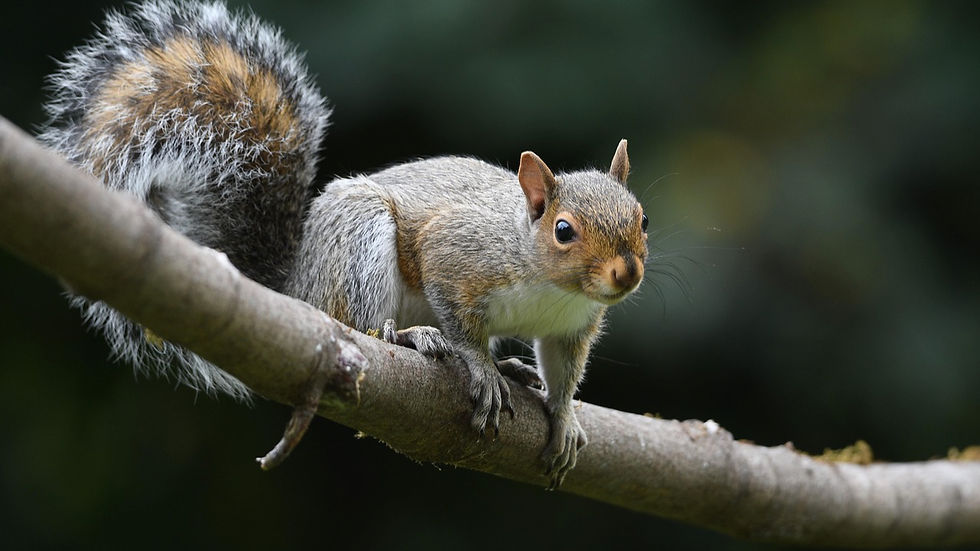
Grey squirrels nesting in lofts can be noisy and destructive, leaving clear signs of their presence:
Loud Sounds: Banging, running, or gnawing in lofts during the day.
Chewing: Extensive damage to wood, insulation, and cables.
Nests: Clumps of leaves, twigs, and insulation inside lofts.
Entry Points: Gaps in soffits, fascia boards, or broken roof tiles.
Droppings: Larger than mice, though often mistaken for rat droppings.
Our Approach
When dealing with squirrels, our primary approach is a combination of trapping and prevention. We begin by identifying how squirrels are entering the property and what measures can be taken to prevent future access. If immediate proofing isn’t possible, we implement a targeted trapping sequence to control the squirrel activity. Once the activity is managed, we strongly recommend applying proofing measures right away to prevent re-entry. All of this is outlined in a detailed survey report, which will highlight entry points and the recommended steps to keep your property squirrel-free.
Why are squirrels in my loft?
Squirrels enter lofts to nest, often through gaps in eaves or roofs.
Can squirrels cause damage?
Yes. They chew wood, insulation, and wiring, which can be costly and dangerous.
How do you remove squirrels?
We use safe, approved methods to remove them and provide advice to prevent re-entry.
Frequently Asked Questions
Trusted & Accredited


